Research
Current Projects
Eye-tracking in Music
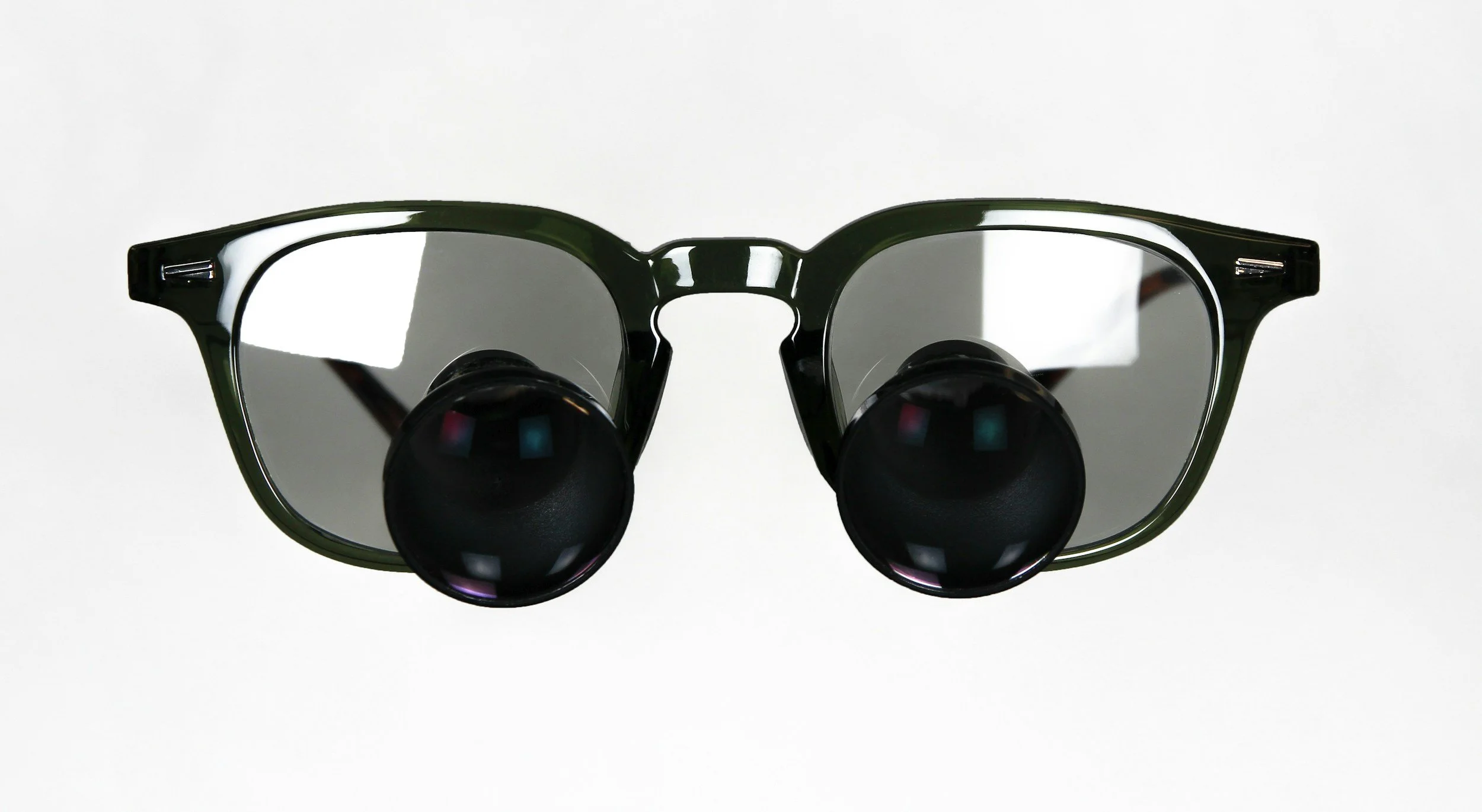
This study investigates how undergraduate music majors visually process notation during music reading, with particular attention to differences between novice and experienced performers. Participants are enrolled at a university in Michigan, USA. Using eye-tracking during individual and ensemble sight-singing tasks, the research examines gaze behavior across musical notation, text, neighboring parts, structural cues, and other performers. The study considers how patterns of visual attention relate to music literacy, expertise, and coordination, with the broader aim of identifying perceptual strategies associated with developing reading proficiency. The findings are intended to contribute to current understanding of music reading processes and to inform pedagogical approaches to music training.Documentation and analysis of the preparation process for Lorenzo Fernandez’s Suite for Wind Quintet
The proposed research project will document the Trillium Wind Quintet’s preparation of Lorenzo Fernandez’s Suite for Wind Quintet. The study will examine the rehearsal and interpretive process through the perspectives of the ensemble members.
The project will collect the musicians’ impressions, challenges, observations, and testimonials concerning the composition and its preparation. Particular attention may be given to how the performers understand the work, negotiate interpretive decisions, and respond to technical and ensemble-related demands throughout the rehearsal process.
Past Projects

This study analyzed a bassoon student performing Mozart’s bassoon concerto to investigate how playing posture (standing and sitting) and different styles of suspending accessories (seat straps and harnesses) can impact body posture, movements, intonation, and timbre, and consequently, learning and performance.This investigation is the first step to developing comprehensive guidelines for future research. Bassoonists and instructors will benefit from research-based data on how bassoon playing is impacted when using different suspending accessories when standing or sitting and possible solutions to solve related implications.Straight Up!
A Comparative Study on Bassoon Postures and Straps, and Potential Impacts on Sound Quality

What if the core curriculum for graduate students in music performance were designed to prepare students to succeed in the world of the Fourth Industrial Revolution?This study examines how graduate music performance curricula might be redesigned to prepare musicians for the professional demands associated with the Fourth Industrial Revolution and the contemporary cultural environment. It proposes a structured curricular framework for graduate students in concert music performance, particularly those pursuing terminal degrees, while also addressing the needs of instructors, professional performers, administrators, and higher education faculty. The framework emphasizes skills intended to support the development and sustainability of professional music careers within a changing workplace. The study ultimately advocates for the establishment of a new curricular area in music performance, termed “Professional Musicianship,” and includes sample syllabi developed to illustrate its implementation within graduate music education.